Character · case imageScene · case imageArchitecture · case imageProduct · case image
Visual DNA
7 axes · 0–100
Seven adjustable axes set the character of the image: line rigorous or organic, colour muted or rich.
Line
TechnicalOrganic
40
Color
MutedVibrant
62
Lighting
DramaticSoft
82
Texture
CleanMaterial
86
Detail
MinimalDense
74
Depth
FlatCinematic
52
Mood
QuietEnergetic
84
Acceptance criteria
3 bans · 3 fail conditions
Check each frame against these: bans must not appear at all, and any fail condition voids the result.
Anchor
The key visual is the only anchor: paper thickness, palette, and shadow direction are set by it; a new subject must obey the same physical constraints.
Bans · prepended to the prompt by priority
01
no forms beyond the thickness and stiffness of paperA sagging curved surface gives the trick away
02
no metal, no glass, no mirror reflectionsReflection makes the material read as a 3d render
03
no short hard-edged shadowsShadows must stay long and soft, or the miniature set loses its volume
Fail conditions
✗
no crease lines or cut paper edges anywhere
✗
shadow shorter than one third of the object height
✗
more than six color blocks in the frame
Pass threshold
It should read as a handmade object you could really pick up — and crease.
Style recipe
11 reusable elements
The recipe is the wording this style carries into every prompt, so you don't rewrite it.
Identity
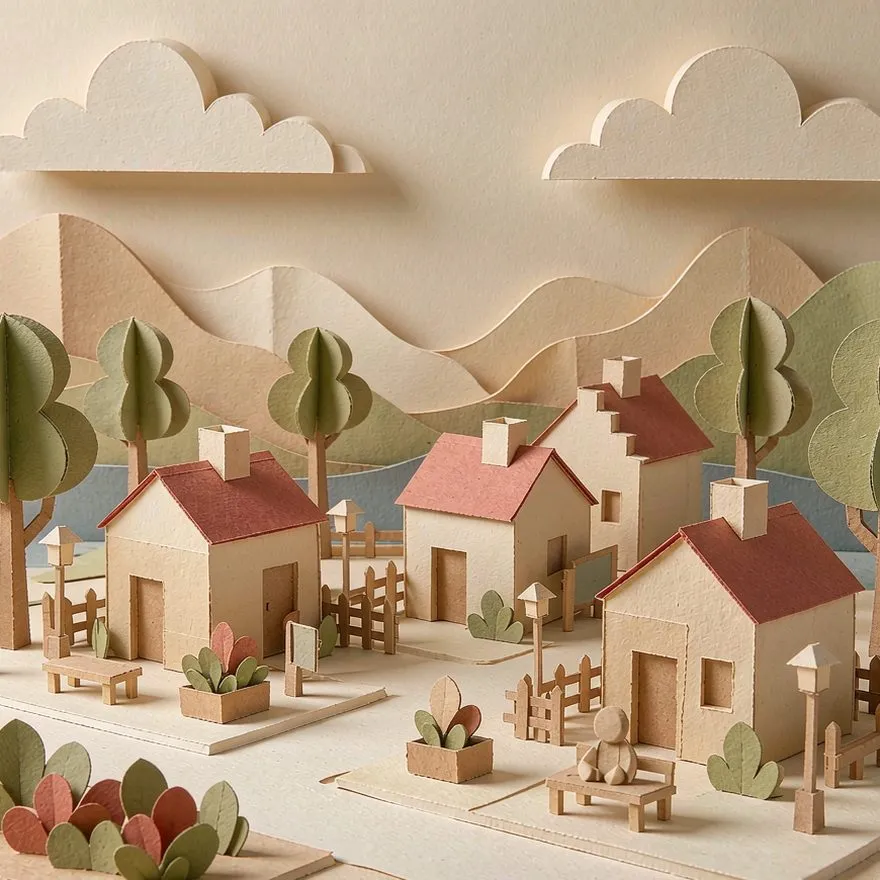
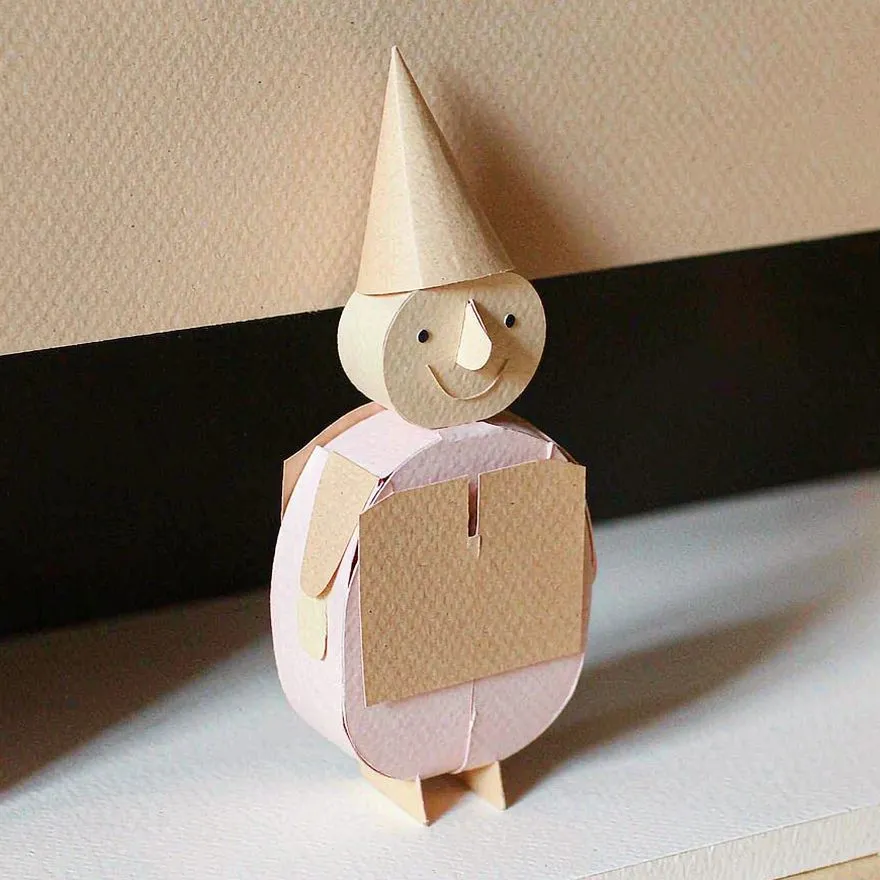
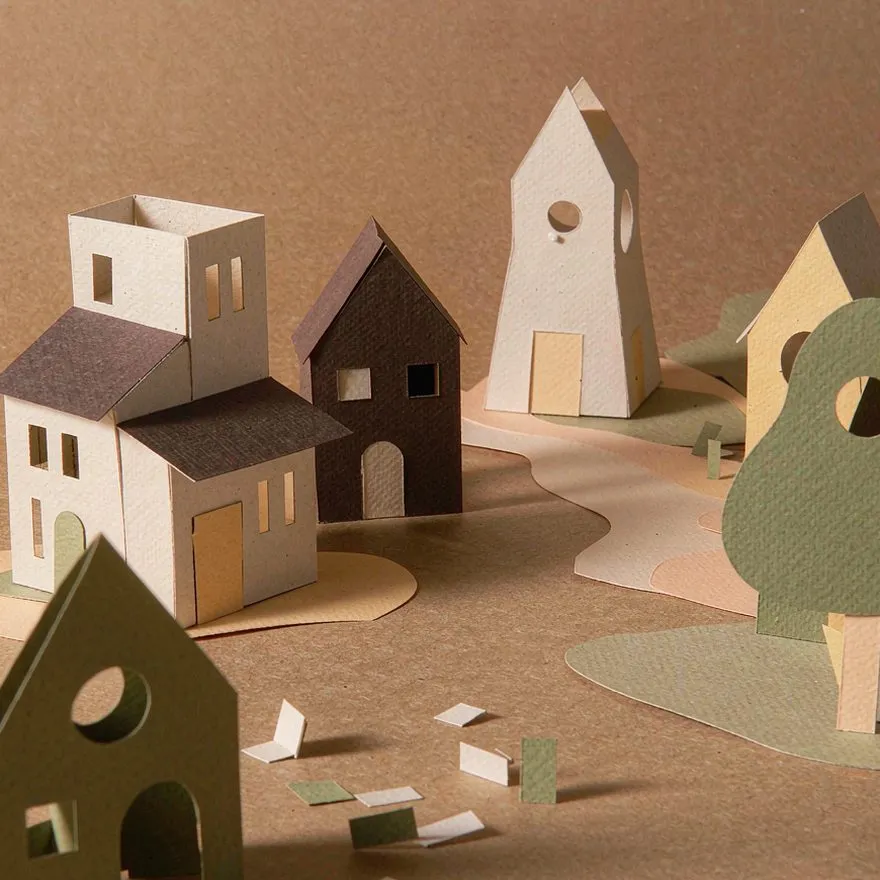
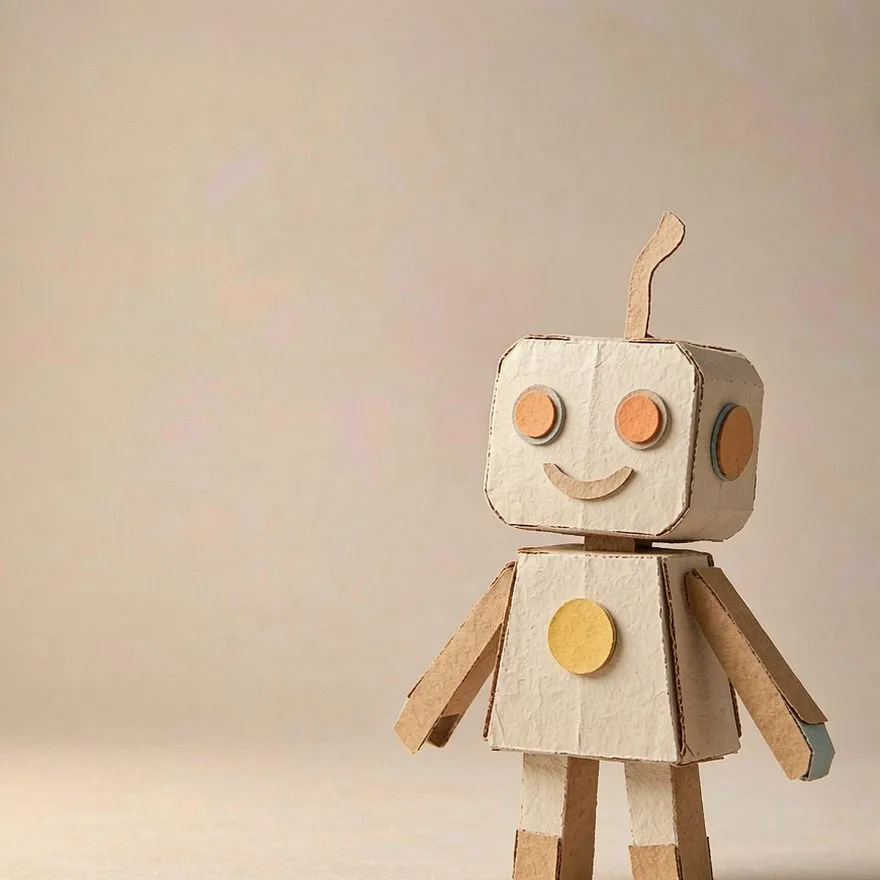
A miniature world built from handmade paper models
Composition
Miniature diorama, seen slightly from above
Line
Physical fold edges and cut edges
Color
Warm low-saturation color blocks
Lighting
Soft studio light, long soft shadows
Material
Colored card stock, kraft paper
Texture
Fibrous feel and crease lines
Character
Naive, geometric, approachable
Atmosphere
Playful, tactile, made to be touched
Negative
photorealistic, metal, hdri reflection
Reference
Pop-up books / papercraft stop motion
Style object
YAML
The style object is the recipe, criteria and DNA as machine-readable text: download it, or feed it to any model.